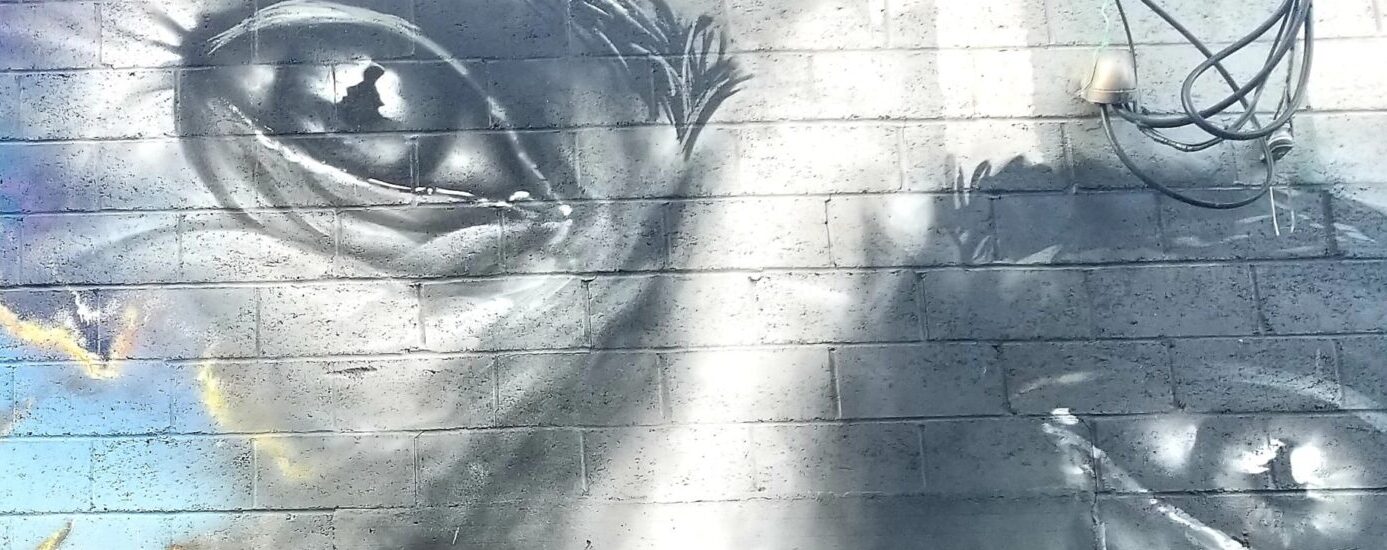

觀
“White Crosses”
Contemplation
They are scattered across Montana, sometimes few and far between or in sudden ominous clusters. A geographical dispersal of 2500 markers which memorialize locations where a fatality has occurred. These are the American Legion Highway White Cross Fatality Program that, since 1953 have “reminded passing motorists of the dangers of the road, as well as the lives that have been lost on these highways”.
Montana consistently ranks among the deadliest states for motorists, placing 5th per capita in 2023. Some highways, like US 93, are infamous for their perilous speeds and staggering fatality rates—roads where risks and velocities collide.
Occasionally there will be several single crosses within a few miles, maybe along “curvy” roads or outside of small towns and other times isolated and solitary. The logic is “Motorists seeing the crosses should be impressed by the need for careful driving and safe speeds”.
Floyd Eaheart, a member of Hellgate Post #27, conceived the program after six lives were lost in one tragic weekend—Labor Day 1952. His vision took shape in 1953, marking the beginning of the American Legion Highway White Cross Fatality Program. When a crash claims multiple lives, additional crosses are affixed to a single post, layering grief upon grief in silent testimony.
The program officially launched in 1953, backed by the Montana Highway Commission (now MDT) and sanctioned by the Governor’s office. While roadside memorials vary across cultures, Greece marks fatalities with small, handcrafted wooden chapels, each crowned with a white cross. Montana’s approach is stark in uniformity—white crosses affixed to standardized metal posts, unwavering in their silent testimony
Throughout the states, along backroads and highways, countless crosses stand as quiet memorials, each uniquely adorned—some with flowers, others with names, photos, or even a child’s stuffed toy, left behind as in solemn gestures of morned remembrance. Though the official program dictates their placement along highways, many appear on private land, set up by grieving families as personal tributes.
In New Mexico, these markers are called “Descansos,” meaning “Resting Places.” Their installation is often acknowledged in local news, turning each roadside shrine into a public testament to loss—a silent narrative told in wood, metal, and memory.
The helicopter is “hot” all rotors spinning as it entersthe last pre lift steps. With white strobes, red/green nav lightstail red beacons blinking. pilot/crew confirmation “secure”, the searchlight under the chin rotates from up 30 degrees flooding the surrounding dark. EMS and Fire turnouts reflect their positions clear of zone. A final scan as the copter rotors up and in a straight lifts off the highway rising above the scene. The ComCtr is contacted with time of lift, destination eta and “3 crew with no transport”. Following the flight path under a full moondog haloed moon, the helo 180s above the scene. Ahead along the highway, a single road sign strobes reflect white, red, white, red off the white cross.
“The wind blows over the earth: the image of contemplation.”